
Roof Repair vs. Roof Replacement: How to Decide
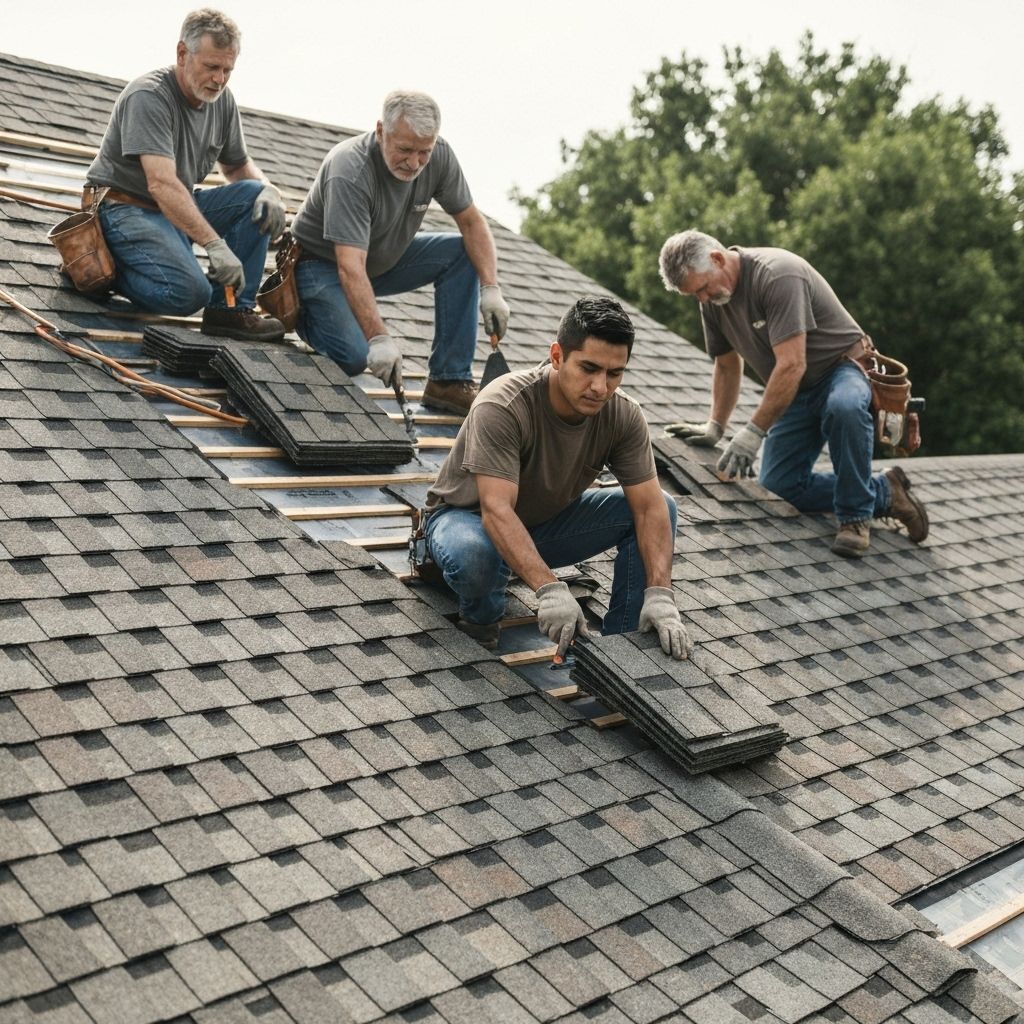
Roof Repair vs. Roof Replacement: How to Decide
When something's wrong with your roof, the first question is almost always the same: does it just need a repair, or does the whole thing need to come off? It's a fair question, and the honest answer is "it depends." Here's how we think it through with homeowners across North Carolina — no scare tactics, just the factors that actually matter.
When does a roof repair make sense?
Short answer: Repair is usually the right call when the damage is isolated, the roof is still relatively young, and the decking underneath is sound.
If a storm tore off a few shingles, a vent boot cracked, or a small section of flashing failed, a targeted repair can restore your roof's protection without the cost of a full replacement. Good candidates for repair generally share a few traits:
- The damage is limited to one area, not spread across the roof.
- The roof still has plenty of service life left.
- There's no widespread granule loss or sagging.
- You're not fighting the same leak again and again.
When is replacement the better value?
Short answer: Replacement usually wins when damage is widespread, the roof is near the end of its lifespan, or repeated repairs aren't solving the problem.
Pouring money into patch after patch on an aging roof often costs more over time than replacing it once and being done with it. Replacement tends to make sense when:
- Shingles are curling, cracking, or losing granules across the whole roof.
- You've had multiple leaks, or the same spot keeps coming back.
- There's sagging, which can point to decking or structural moisture problems.
- The roof is simply old and living on borrowed time.
A full replacement is also the moment to correct things a repair can't — upgrading underlayment, improving ventilation, and adding ice-and-water protection in vulnerable areas.
How do I know how old my roof is?
If you bought your home with the roof already on it, check your closing documents or local permit records, and ask previous owners if you can. Visual clues help too: widespread curling, bald spots, and granules in the gutters all suggest a roof well into its later years. During an inspection, we can usually give you a good read on the remaining service life.
Does insurance change the repair-vs-replacement decision?
It can. If the damage came from a covered storm event, your insurer may approve repair or replacement depending on the extent of the damage — generally after your deductible. This is one more reason to have a thorough, documented inspection: it ensures the full scope of damage is on record, so the decision is based on reality rather than guesswork. Our storm damage team handles that documentation and works directly with adjusters.
What does a roof replacement cost?
Every roof is different, so the most accurate replacement cost comes from a free inspection and quote. The biggest factors are your roof's size and pitch, the materials you choose, and the condition of what's underneath. We offer options for every budget — from quality architectural shingles to Class 4 impact-rated lines — and we'll explain the trade-offs so you can choose what fits. Financing is available if you'd like to spread the cost into low monthly payments.
The bottom line
Repair when the problem is small and the roof is sound. Replace when the damage is widespread, the roof is aging, or repairs keep failing. The right answer is the one that protects your home for the long haul without overspending — and a good contractor should be willing to recommend the cheaper path when it's genuinely the better one.
At Signature Home Solutions, we specialize in full roof replacement, and we inspect honestly and lay out your real options. If a repair is genuinely the better move for your roof right now, we'll say so instead of pushing a replacement you don't need. When replacement is the right call, we'll walk you through your options and provide a free quote. Explore our roofing services, or request a free inspection and quote →.
Ready to Start Your Project?
Get a free quote for your home remodeling project today.
Get Free QuoteRelated Articles
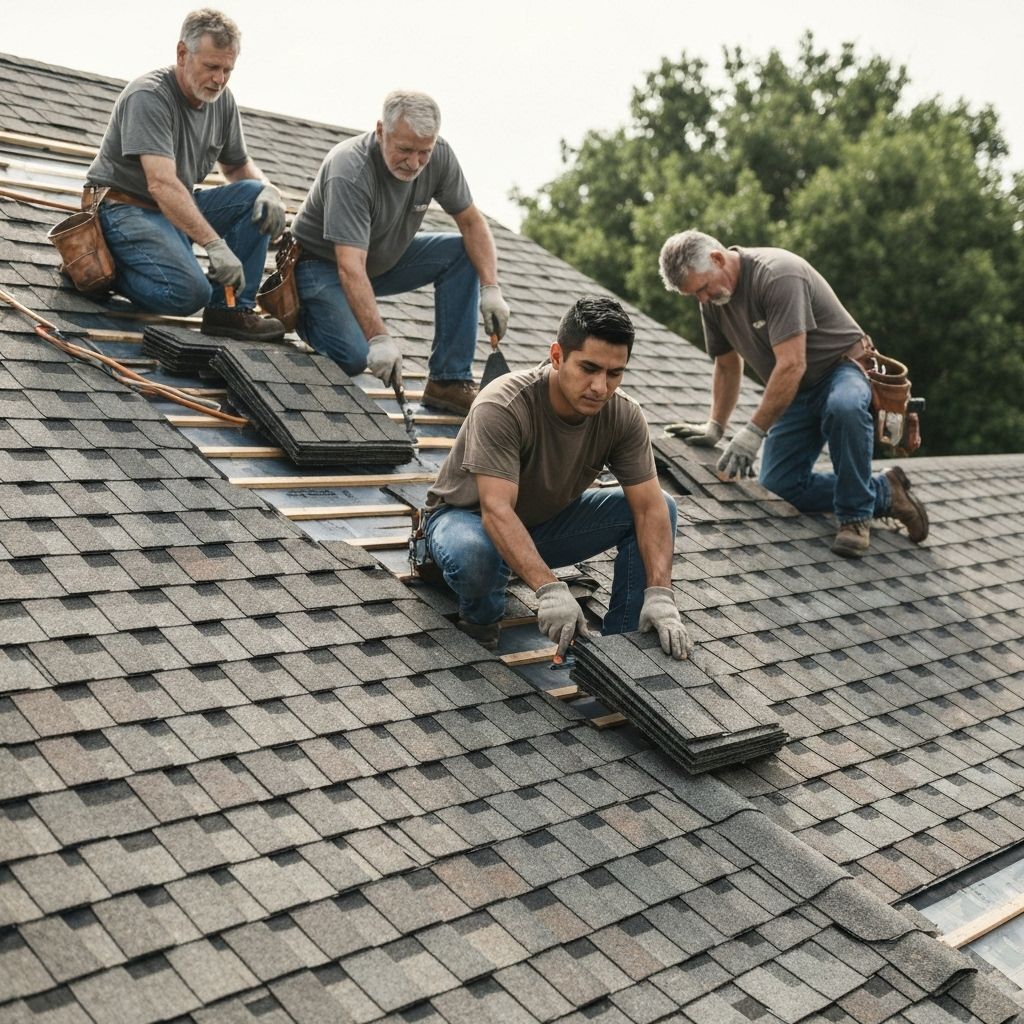
How to Tell If Your Roof Has Storm Damage
After a North Carolina storm, here's how to spot roof damage from hail, wind, and debris — what to look for from the ground, what needs a professional inspection, and when to act.
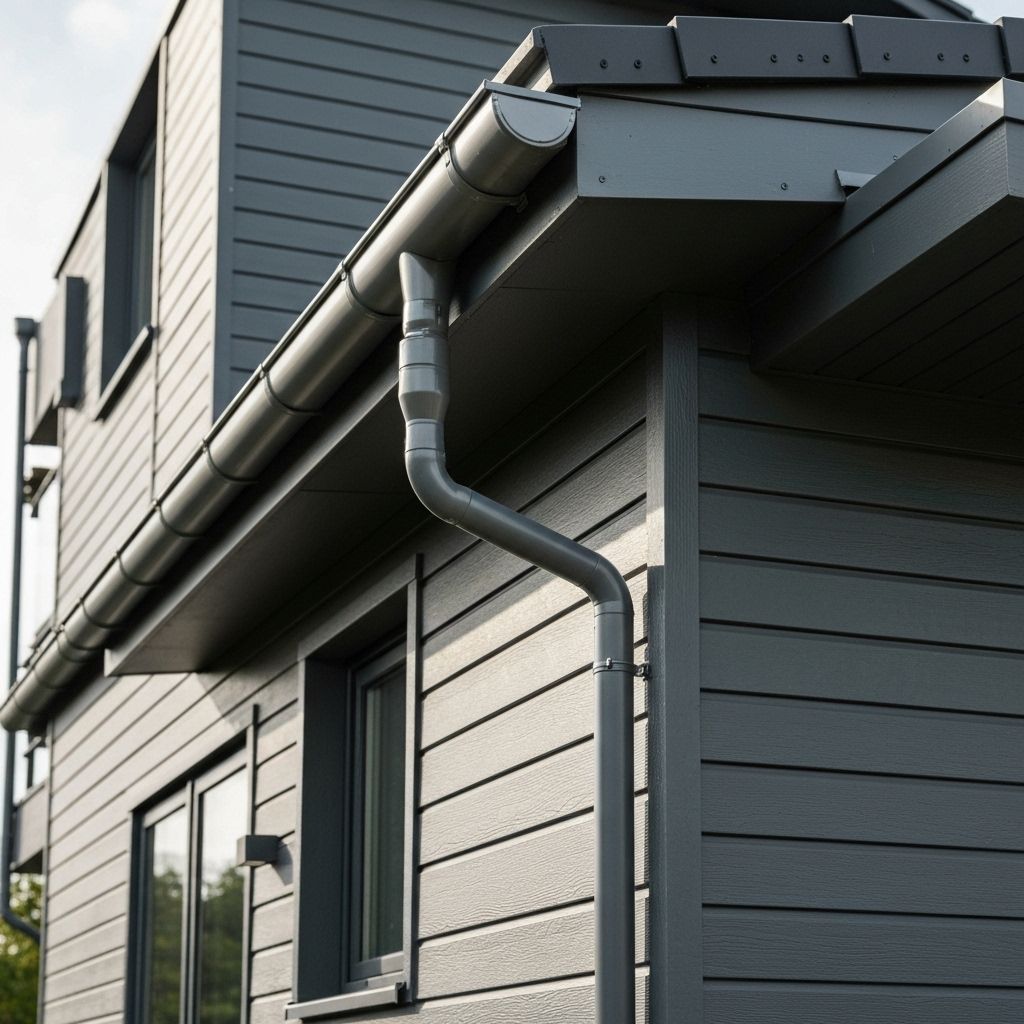
Best Siding Options for North Carolina Homes
Vinyl, composite, or fiber cement? Here's how the most popular siding materials hold up in North Carolina's heat and humidity, and how to choose the right one for your home and budget.
Fayetteville Storm Damage Insurance Claims: Complete Guide for Homeowners
How to file storm damage insurance claims in Fayetteville, NC. Timeline, documentation, adjuster process, what's covered for roof, siding, window hail and wind damage.