
How to Tell If Your Roof Has Storm Damage
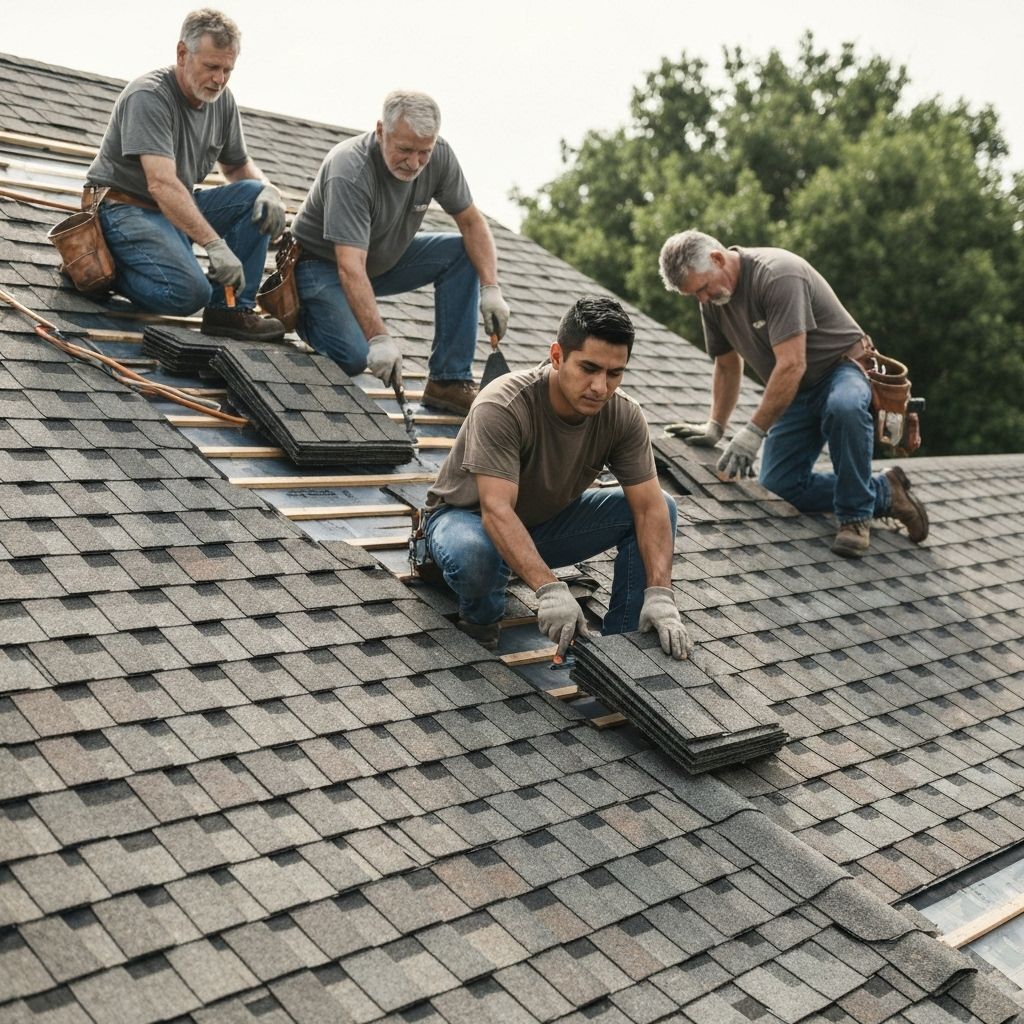
How to Tell If Your Roof Has Storm Damage
North Carolina sees its share of rough weather — summer thunderstorms with hail, the tail end of hurricanes pushing through the Sandhills and Triangle, and the occasional straight-line wind event. Your roof takes the brunt of all of it, and the tricky part is that serious storm damage often doesn't look dramatic from the driveway. Here's how to tell whether your roof came through the last storm intact, and what to do if it didn't.
What does roof storm damage look like?
Short answer: The most common signs are missing, cracked, or curled shingles; dark patches where granules have washed away; dented gutters, vents, or flashing; and shingle granules collecting at the bottom of your downspouts.
After a storm, walk the perimeter of your home and look up. From the ground you can often spot shingles that are lifted, torn, or gone entirely, along with debris on the roof. Check your gutters and downspouts, too — a pile of sandy granules means your shingles took a beating, and dents in the metal point to hail. Inside, look for fresh water stains on ceilings or in the attic after the next rain.
Hail damage vs. wind damage — how are they different?
Hail tends to leave round bruises or pockmarks where the protective granules are knocked loose, exposing the asphalt underneath. You'll often see matching dents on soft metal surfaces like gutters, downspouts, and vents — a useful clue, since those dents are easier to spot than roof bruising.
Wind lifts and creases shingles, breaks the adhesive seal that holds them down, and can tear shingles off entirely — especially along edges, ridges, and corners where uplift is strongest. A shingle that's been lifted and dropped back down may look fine but no longer seals, leaving a hidden path for water.
Either way, the damage that matters most is often invisible from the ground. That's why a professional roof inspection after a significant storm is worth it.
Can I check my roof myself?
You can — and should — do a ground-level check after every big storm: look for displaced shingles, debris, dented metal, and granules in the gutters, plus interior water stains. What we don't recommend is climbing onto the roof yourself. It's genuinely dangerous, storm damage can make footing unpredictable, and the subtle bruising adjusters look for takes a trained eye to document properly.
A professional inspection is non-invasive, and a reputable contractor will tell you honestly whether you have real damage or whether your roof is fine — there's no reason to pay for work you don't need.
How long do I have to act after a storm?
Sooner is better, for two reasons. First, even small breaches let water into the decking and attic, and that damage compounds quickly in North Carolina's humidity — what starts as a minor leak can turn into rot, mold, and interior damage. Second, most homeowners policies have a window for filing storm-related claims, and waiting can make it harder to connect the damage to a specific weather event.
If you've had a recent storm, it's worth getting an inspection on the calendar even if everything looks okay from the ground.
Will insurance cover storm damage to my roof?
Often, yes. Homeowners policies typically cover sudden storm damage from covered events like wind and hail, usually after you pay your deductible. Normal age and wear, on the other hand, generally aren't covered. The key is documentation: clear photos, a written assessment, and a contractor who can meet your adjuster and make sure nothing gets missed.
We handle storm-damage inspections, document everything for your claim, and work directly with your insurer. You can learn more on our storm damage page, and if it turns out you need work done, our roofing team will give you an honest read on whether replacement is actually needed, or whether it can wait.
What to do next
If a storm just rolled through, here's the simple version:
- Do a ground-level check — shingles, gutters, metal, and your attic and ceilings.
- Take photos of anything that looks off, plus the date of the storm.
- Schedule a professional inspection before small problems grow.
Signature Home Solutions provides free, no-obligation roof inspections across Fayetteville, Raleigh, and the Triangle. If your roof came through fine, we'll tell you. If it didn't, we'll help you understand your options and, when storm damage is involved, work with your insurance company every step of the way.
Ready to Start Your Project?
Get a free quote for your home remodeling project today.
Get Free QuoteRelated Articles
Fayetteville Storm Damage Insurance Claims: Complete Guide for Homeowners
How to file storm damage insurance claims in Fayetteville, NC. Timeline, documentation, adjuster process, what's covered for roof, siding, window hail and wind damage.
Roof Repair vs. Roof Replacement: How to Decide
Not sure whether to repair or replace your roof? Here are the factors that actually matter — roof age, extent of damage, recurring leaks, and long-term value — for North Carolina homeowners.
Best Siding Options for North Carolina Homes
Vinyl, composite, or fiber cement? Here's how the most popular siding materials hold up in North Carolina's heat and humidity, and how to choose the right one for your home and budget.